Mixed reality trends 2026: What studios need to know
- 23.07.2026
- 8 min read
- Lera Kucheriava
Mixed reality stopped behaving like a demo-booth technology sometime around 2025. Enterprise buyers stopped asking what the headset could do. They started asking what it costs to run at scale, how fast it trains a warehouse crew, and whether the content pipeline holds up once the novelty wears off.
That question mark hanging over mixed reality is closing.
Mordor Intelligence puts the global mixed reality market at USD 8.41 billion in 2026. It expects that figure to reach USD 50.79 billion by 2031, a 43.3% annual growth rate.
Coherent Market Insights runs a different model and lands on a similar 2026 estimate of USD 8.4 billion, growing to USD 92.4 billion by 2033 at a 41% CAGR.
The exact figure moves depending on who is counting, but direction, actually, does not.
For studios, that direction matters more than any single number. Mixed reality projects in 2026 look different from the AR filter apps and one-off VR pilots of a few years ago. They involve real budgets, real compliance requirements, and production pipelines that borrow from both game development and enterprise software.
This article breaks down the trends actually shaping mixed reality content this year, what they mean for production, and where the challenges still sit.
Mixed reality blends real spaces with digital content. Virtual objects respond to a physical room. Overlays stay anchored to a location instead of floating in a fixed virtual scene. Interaction is built around where a user’s body actually is, not just where a controller points.
That sounds like a narrow technical distinction from standard VR or AR. In production, it changes almost every discipline on a project.
A standard mobile or PC build works inside a fully authored, fully controlled environment. Mixed reality production doesn’t get that luxury. It looks closer to a hybrid of game development and systems integration: part content studio, part deployment engineering team. That hybrid skill set is what separates studios that can ship a convincing demo from studios that can ship something a business runs every day for a year.
Six trends stand out this year, and they cut across consumer, enterprise, and gaming applications of mixed reality.
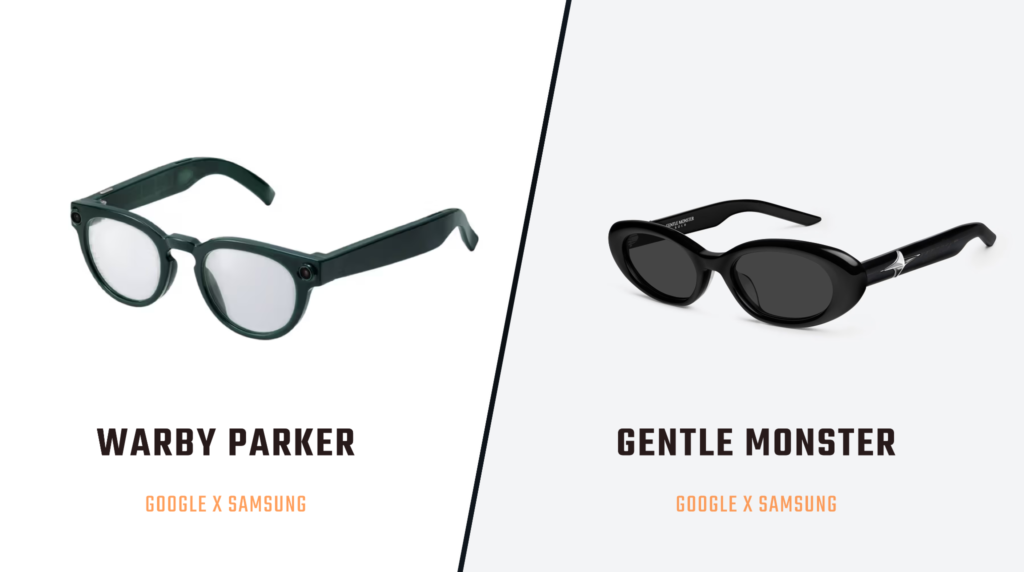
Bulky headsets aren’t disappearing, but the growth story in 2026 belongs to lighter form factors. Google, Samsung, and Apple are all pushing toward devices people will wear for a full shift rather than a fifteen-minute demo. Google has partnered with Gentle Monster and Warby Parker specifically to make glasses people actually want to wear all day.
On the industrial side, passthrough-first designs are cutting cybersickness by a reported 44%, chipping away at one of the more stubborn barriers to training and simulation adoption.
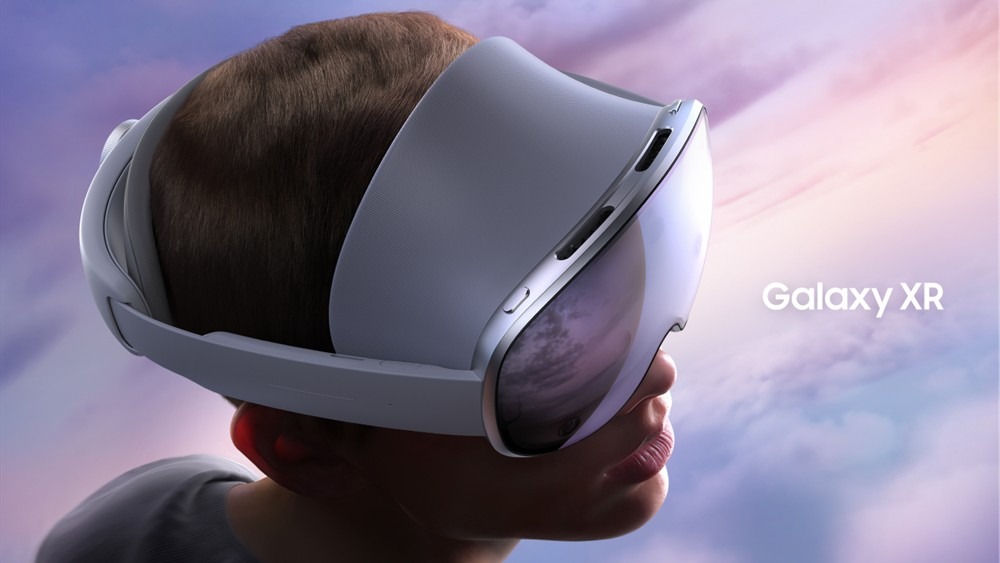
Fewer people describe mixed reality as a novelty add-on now. The framing has shifted toward spatial, context-aware computing that happens to run on a headset or a pair of glasses. Samsung leaned into this directly with its Galaxy XR launch, describing the device as AI-native and multimodal rather than a VR headset with extra features.
NVIDIA extended the same logic to enterprise digital twins, streaming large industrial 3D models directly into headsets instead of treating rendering as a device-bound problem.
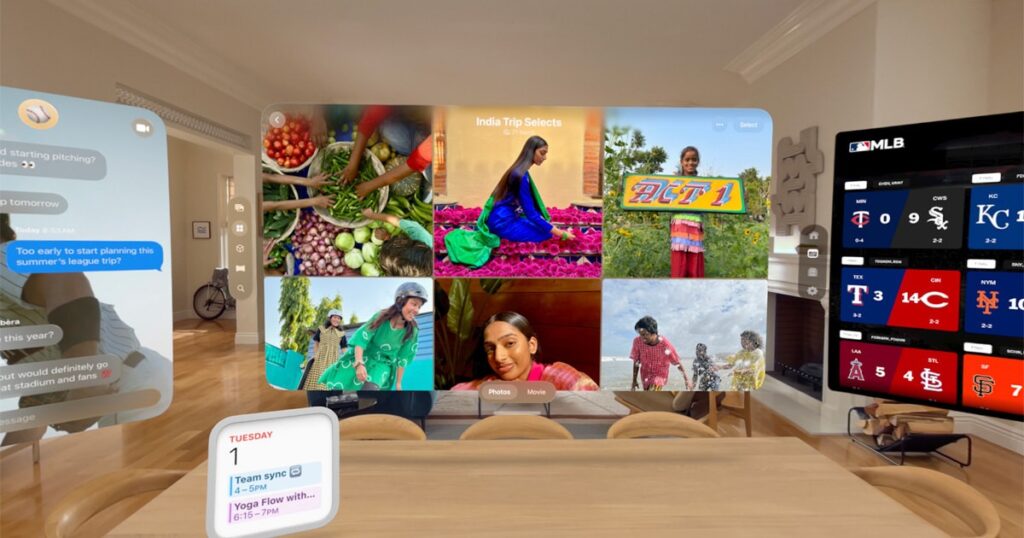
AI is no longer a bolt-on feature inside mixed reality experiences. It’s becoming part of the interface. Apple’s visionOS 26 adds spatial scenes generated by AI along with more natural digital personas, and Coherent Market Insights describes the same pattern across the industry, pointing to platforms converging around AI-powered spatial computing that supports more intuitive interaction and real-time environmental mapping.
For studios, that means production pipelines increasingly fold in AI-assisted asset generation, adaptive difficulty tuning, and NPC behavior that reacts to a physical room, not only a virtual one.
The XR Association points to accelerated growth in enterprise applications alongside hardware advances and expanding adoption across healthcare, education, and entertainment. Mordor Intelligence‘s numbers back that up:
Training programs at large industrial employers reportedly cut instruction time and raise retention enough to justify board-level budget approval, which is a different conversation than funding a pilot.
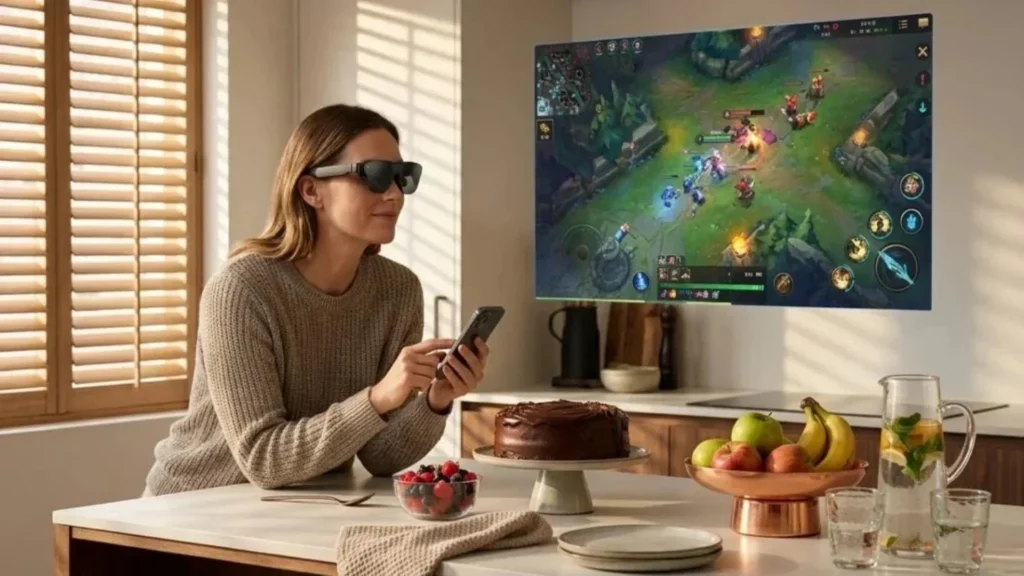
Enterprise headlines get most of the attention, but gaming hasn’t stepped aside. Gaming and entertainment are expected to hold the largest single application share of the mixed reality market, at 42% in 2026, citing Entertainment Software Association data showing 61% of Americans play video games weekly, a sizeable base for mixed reality titles to convert.
On the development side, industry coverage points to cloud-streamed AR gaming, 5G-enabled multiplayer, and shared spatial experiences as the features studios are prioritizing for 2026, all of which count as clear mixed reality examples of where consumer demand is heading.
The clearest theme across every source is a shift away from one-off demos and toward repeatable, useful deployments. Eagle One’s 2026 outlook puts it plainly: the strongest opportunities are coming from focused use cases such as training, design review, remote collaboration, and field support, not broad promises. Services are growing faster than hardware, at a 44.57% CAGR, because enterprises need integration, customization, and ongoing support once a pilot becomes a real deployment.
| Metric | 2026 estimate | Forecast |
|---|---|---|
| Global mixed reality market size [1] | USD 8.41 billion | USD 50.79 billion by 2031 (43.3% CAGR) |
| Global mixed reality market size, alt. estimate [2] | USD 8.4 billion | USD 92.4 billion by 2033 (41% CAGR) |
| Manufacturing share of MR end-user spending [1] | 28.10% | Healthcare fastest-growing, at 43.95% CAGR |
| Gaming & entertainment share of MR application revenue [2] | 42% | Largest single application segment |
| Hardware share of MR component spending [1] [2] | 63.84%–65% | Services growing faster, at roughly 44.5% CAGR |
Sources: [1] Mordor Intelligence, “Mixed Reality Market – Growth, Size & Share”, [2] Coherent Market Insights, “Mixed Reality Market Size, Trends & Forecast, 2026-2033”.
None of this comes free. A handful of problems keep showing up across mixed reality deployments in 2026:
These trends match N-iX MR’s audience: studios and brands building mixed reality content for training, interactive entertainment, and healthcare-adjacent simulation. Enterprise adoption plays out in sports, professional training, and manufacturing, industries N-iX MR knows well, while gaming lands on the entertainment side, where the studio ships full-cycle immersive titles.
A useful partner covers production and deployment: shipping a polished experience and scoping a build that works across sites, devices, and users.
If you’re weighing what a mixed reality build should involve, we are happy to walk through it with you. Drop us a message!
Common examples of mixed reality include factory-floor training simulations that overlay instructions onto real machinery, surgical planning tools that project scans onto a patient, automotive design reviews where engineers manipulate a full-scale 3D car model in a real room, and multiplayer games where digital characters interact with a player’s actual living room.
Mixed reality content specifically anchors digital objects to a real, tracked environment and lets them interact with it, such as a virtual character that can be occluded by a real desk. Pure VR content replaces the environment entirely, and basic AR content typically overlays digital elements without deep spatial interaction with the physical space.