AR & VR Releases in 2026: Confirmed Launches, Delays, and the Bigger Picture
- 30.01.2026
- 10 min read
- Artur Tereshchuk
After years of prototypes and promises, 2026 is the year major players are finally shipping real AR glasses and standalone VR headsets built for everyday use. Some devices lean into gaming, others aim for untethered, all-day wear, and most now include some form of onboard AI. Meta is taking a breather, but the rest of the field is pushing forward fast. Whether you’re following VR headsets, AR glasses, or broader mixed reality news, the products confirmed for this year show where the industry is actually headed.
The current lineup makes the shift toward practical, shipping products. Larger companies are rolling out consumer-ready devices, while others focus on gaming, connectivity, or developer use. Here’s what’s officially coming in 2026:
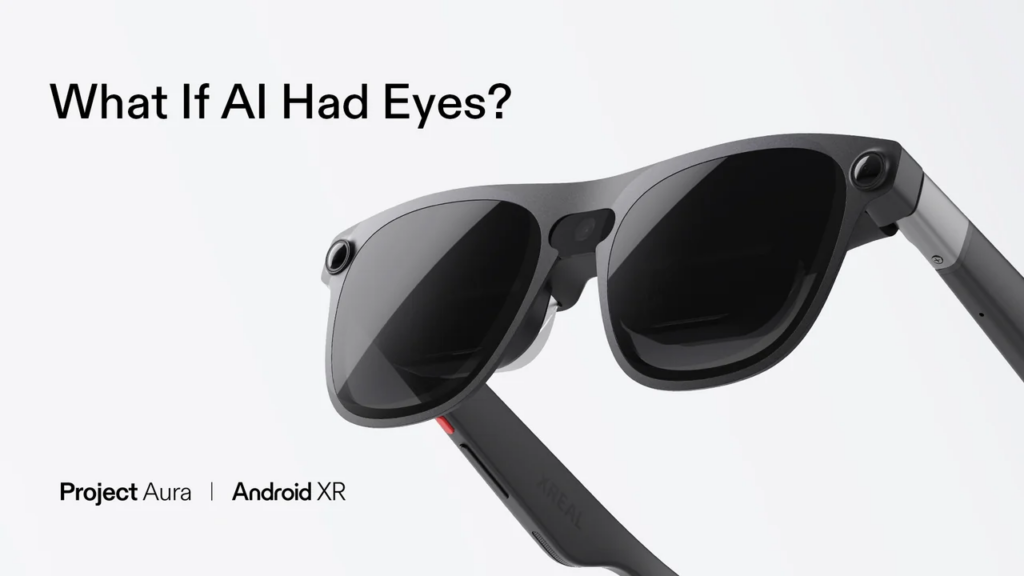
Project Aura is a new AR headset from XREAL built in partnership with Google. It is the first Android XR “glasses” (a wired AR display) that Google has previewed. Aura is a tethered wearable: you plug it into a phone or PC, and it projects augmented content into your field of view. Google introduced Aura in late 2025 and says it will launch in 2026. Key details:
Project Aura essentially creates a private AR “monitor” that you wear – it’s like Google Glass on steroids, with high-resolution OLED panels and AI smarts built in.
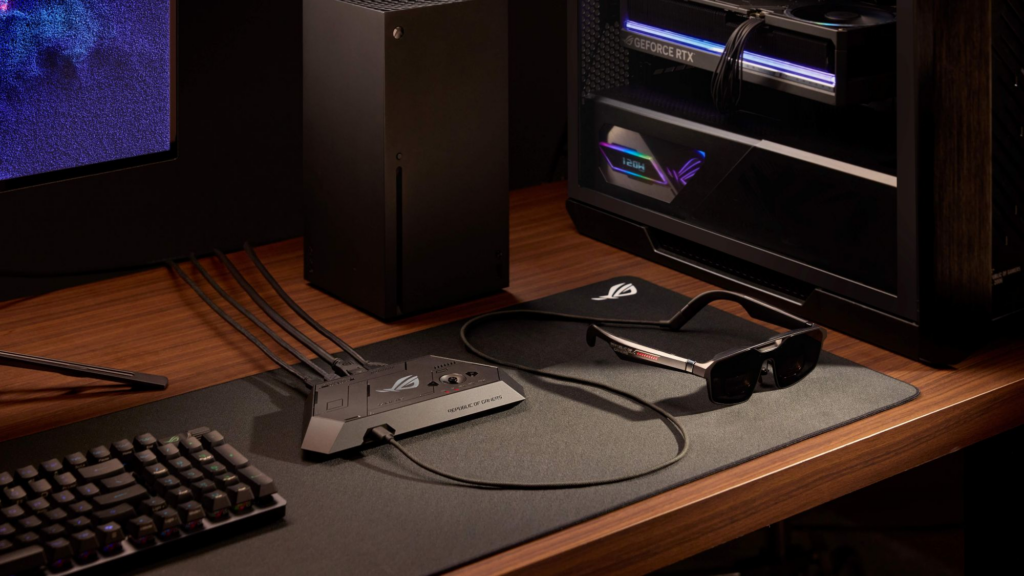
ASUS ROG has teamed with XREAL to make ROG XREAL R1, a specialized AR headset aimed at gamers. Announced at CES 2026, this device looks like a pair of bulky sunglasses but is really a high-end head-mounted screen and audio system. Key features:
ASUS’s press release emphasizes that the ROG XREAL R1 brings “desktop-class” gaming to a wearable. Because it outputs HDMI and DP, it’s compatible with PCs, consoles (like PS5/Xbox via dock) and ASUS’s own ROG Ally handheld. Though it’s more like a wearable projector than “augmented reality” – the R1 isn’t overlaying graphics on your environment, but placing a virtual screen in front of you.
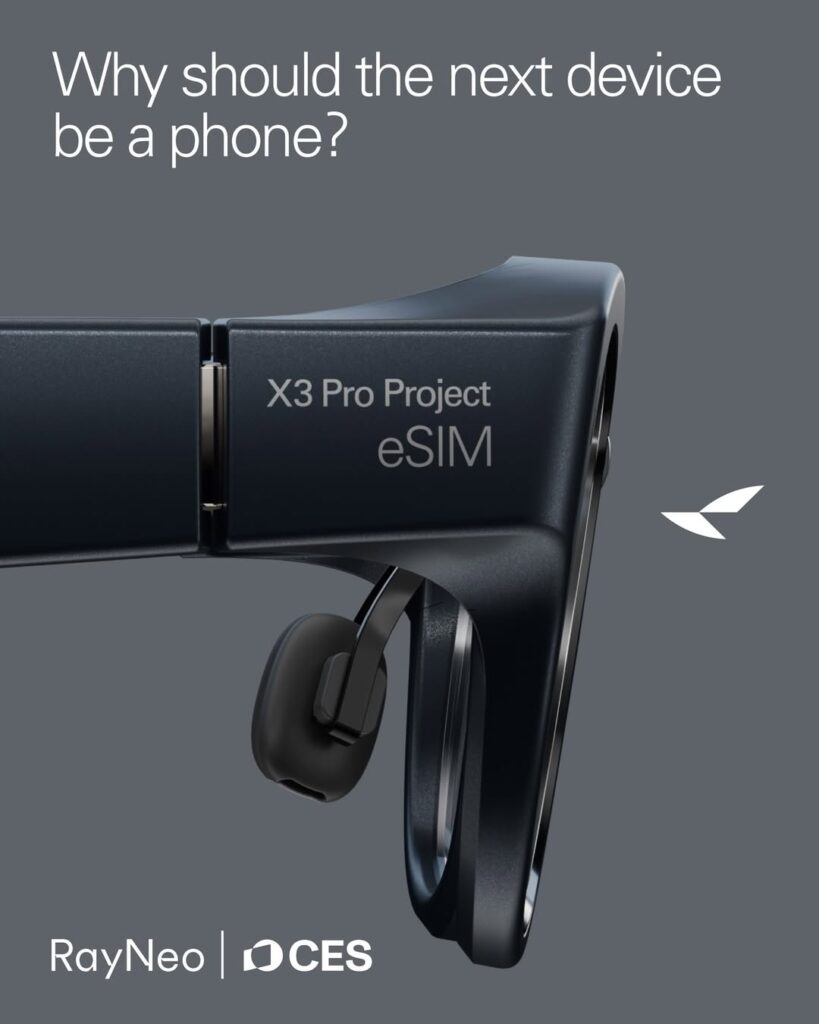

RayNeo is a Chinese AR startup that already sells full-color MicroLED AR glasses. In January 2026 (CES), RayNeo unveiled a prototype of the X3 Pro – Project eSIM. This concept is billed as the world’s first AR glasses with an embedded cellular modem (eSIM). In other words, they have native 4G/5G connectivity, making them fully standalone devices not tethered to a phone. RayNeo says this approach will let users leave their phones behind for activities like running or driving, since the glasses themselves handle calls, music, and data. Key points from announcement:
RayNeo’s move, backed by China’s mobile carriers, signals a broader trend in 2026: always-connected AR gear. By partnering with telecom operators, RayNeo is betting that AR glasses will be sold with data plans, just like phones.
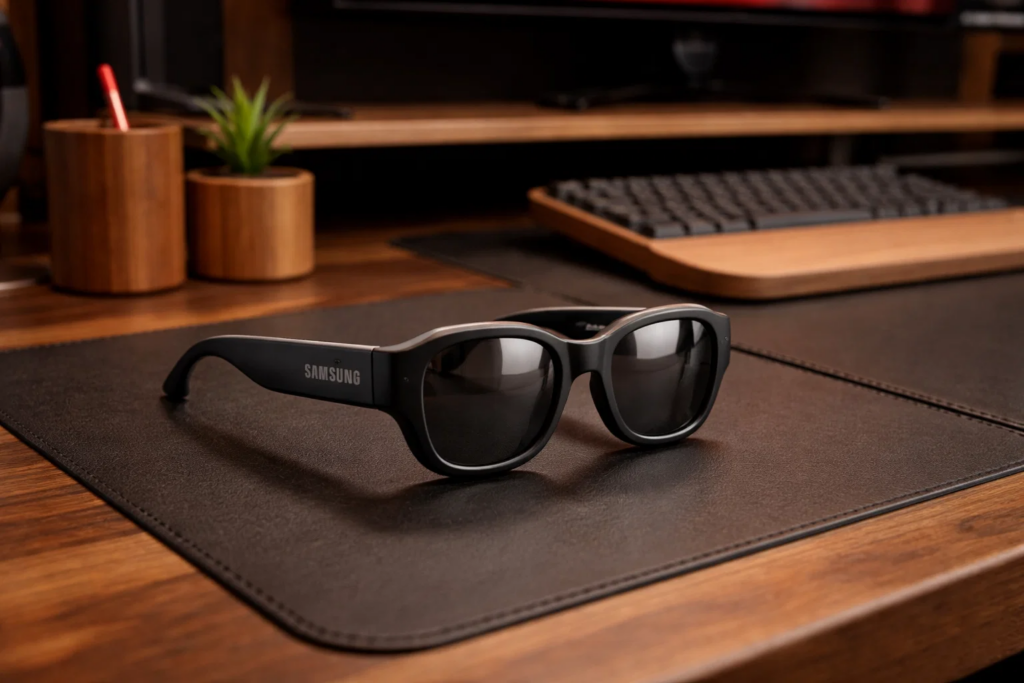
Samsung has officially confirmed an AR glasses launch in 2026 and it’s now all over the AR news cycles. In a January 2026 earnings call, Samsung’s Head of Strategic Marketing, Seong Cho, said that the “next-generation AR glasses” would arrive this year as part of a push for rich, immersive multimodal AI experiences.
Little is known publicly, but reports suggest Samsung is preparing two Galaxy Glasses models (tentatively SM-O200P and SM-O200J) with cameras and smart features. Both models are expected to use Android XR and likely include built-in microphones, speakers, and an onboard processor to run AI software. Importantly, these glasses are designed to be wearable all day – Google says partners (Samsung, Gentle Monster, Warby Parker) are making lightweight AR frames you can wear comfortably all day.
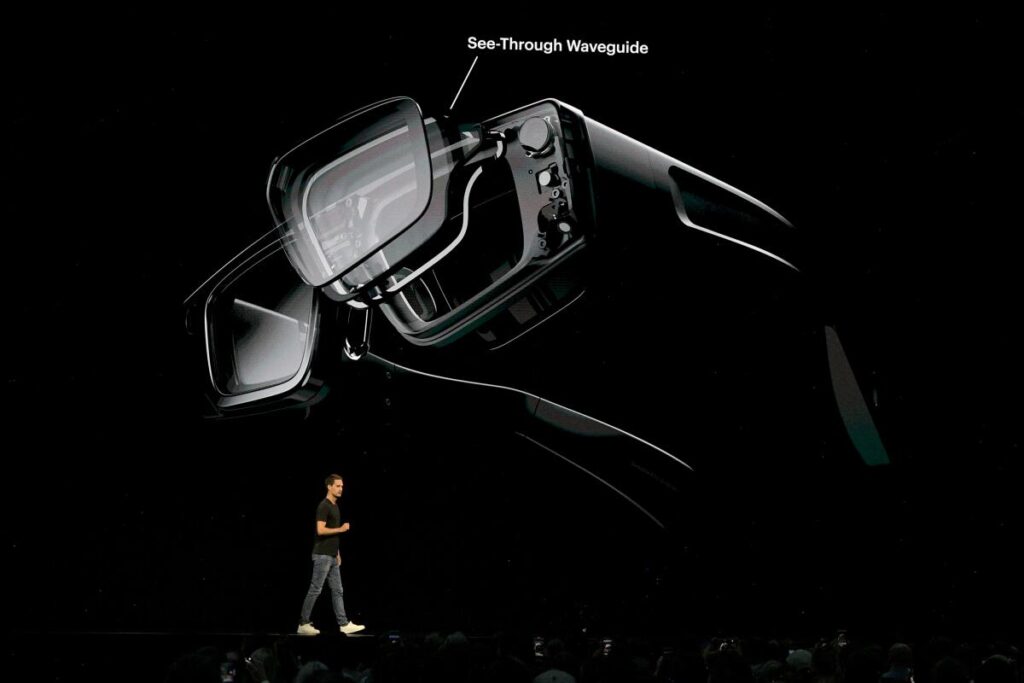
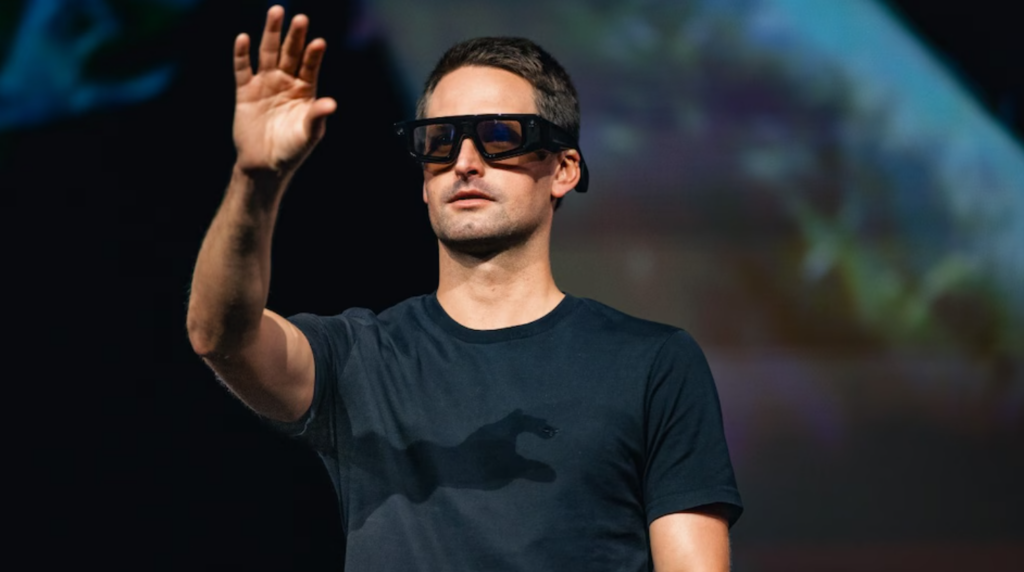
Snap is preparing its first consumer AR glasses under the new subsidiary, Specs Inc. The 6th-generation Spectacles (branded “Specs”) follow earlier models and are expected to launch in 2026. From interviews and demos at CES 2026, we know a bit about Specs:
Snap’s 2026 glasses will build on the company’s glitzy hardware demos: expect voice/chat commands with their AI assistant, rich AR lenses, and deep integration with Snapchat’s platform. In XR news terms, Snap’s entry will finally give Meta some competition in the consumer AR glasses space.
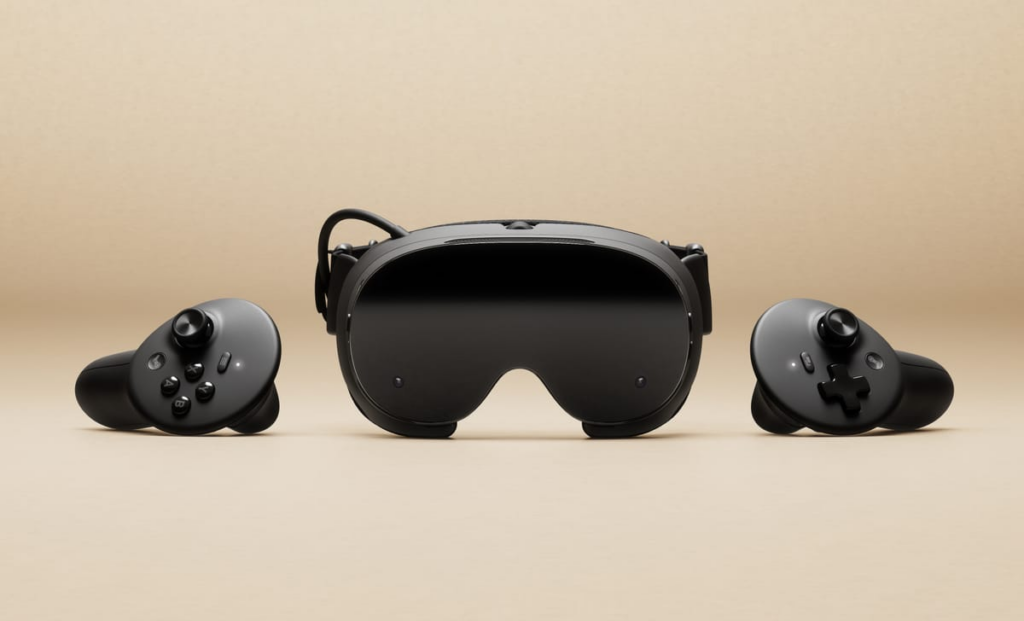
Valve has re-entered the VR hardware arena with Steam Frame, announced November 2025 and slated for early 2026 release. Unlike previous Valve projects (which were tethered or high-end), Steam Frame is a wireless standalone VR headset that works both on its own and with a PC. Valve calls it “streaming-first” because it includes a dedicated wireless dongle to link to a gaming PC. Key details from Valve’s reveal:
For developers, this is one of the most important pieces of virtual reality news in years. Steam Frame dramatically expands the addressable market for Steam-based VR content.
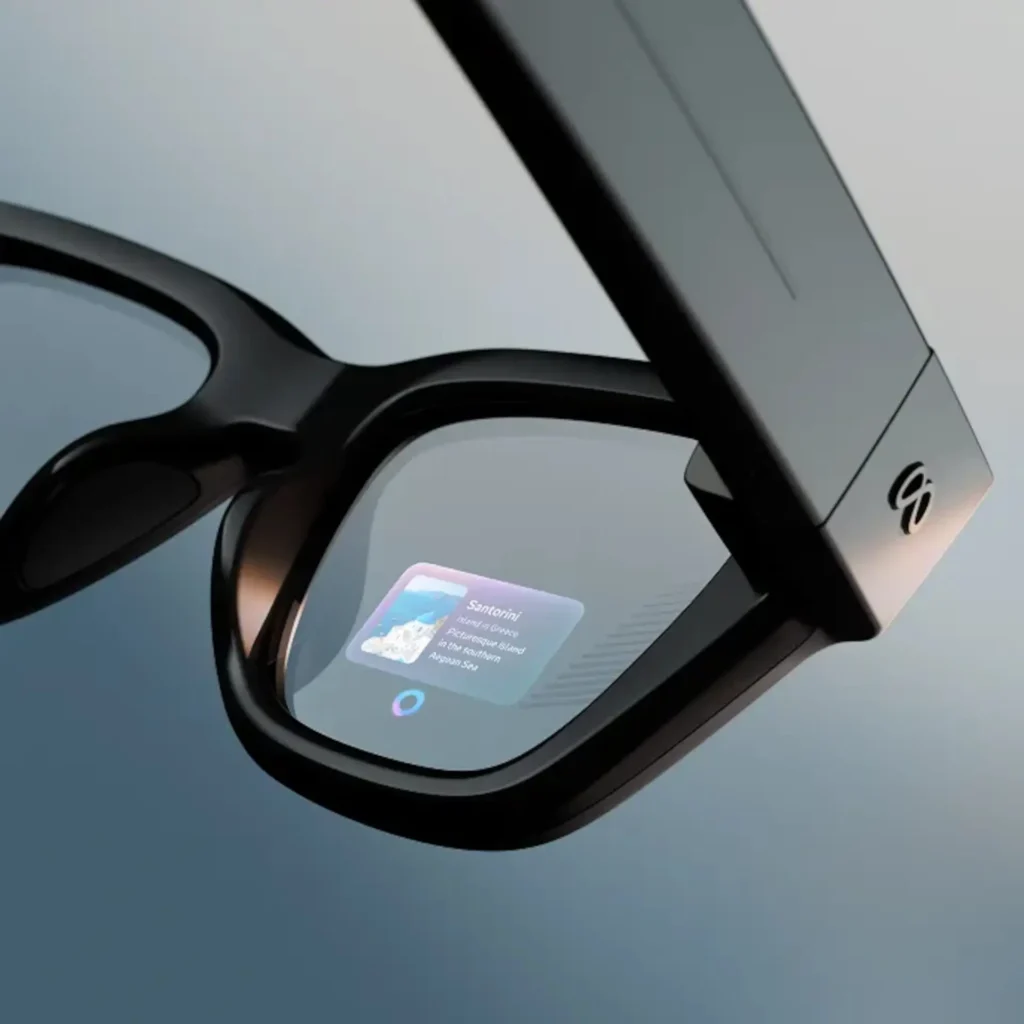
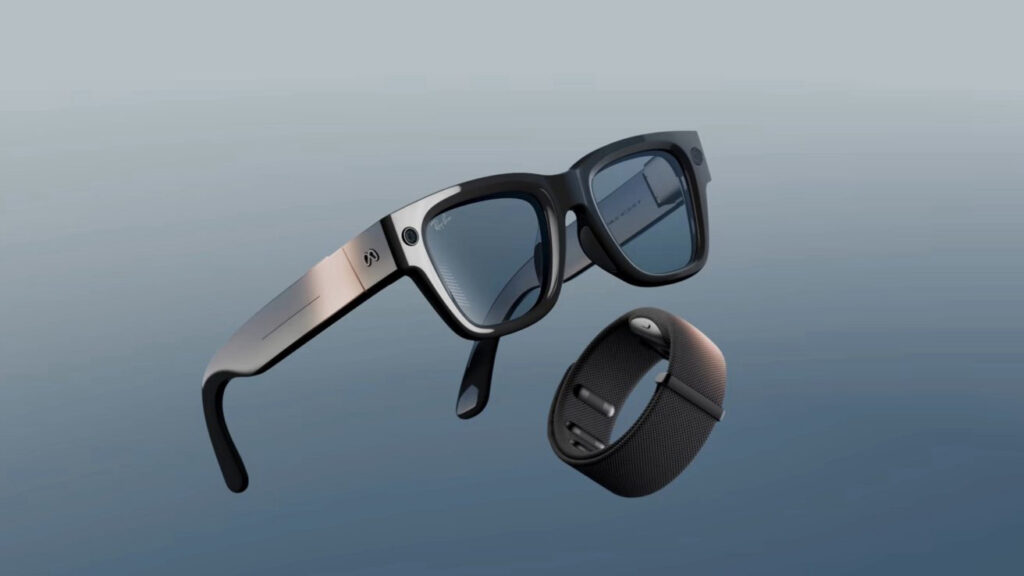
While 2026 is a year of aggressive releases for Samsung and Valve, it has become a year of cautious recalibration for Meta. In late 2025, internal memos revealed that Meta had delayed its high-end mixed reality glasses, codenamed Project Phoenix, from a late 2026 launch to the first half of 2027.
The Phoenix delay is driven by a combination of budget constraints and a strategic shift toward profitability. Meta’s Reality Labs division reportedly faced cuts as CEO Mark Zuckerberg personally intervened to prioritize sustainable business models over rapid hardware iteration.
Despite the Phoenix delay, Meta is not sitting still in 2026. The company is doubling production of its Ray-Ban smart glasses to meet the sizzling demand for AI-powered eyewear. Furthermore, Meta is releasing a limited edition wearable codenamed Malibu 2 in 2026 to keep the developer ecosystem engaged while the high-end hardware is finalized. The upcoming Meta Quest 4 is also expected to be a large upgrade.
AI is now central to XR, with headsets and glasses integrating always-on assistants powered by generative models. Google’s Android XR platform uses Gemini to deliver real-time, context-aware responses to visual and voice input. On-device sensors handle simple tasks locally for speed and privacy, while complex queries use cloud AI. Users interact through natural speech and gestures, with systems interpreting commands using vision-language models.
Features like real-time translation, object recognition, and contextual overlays are becoming standard. XR devices in 2026 function as wearable AI computers, offering intuitive, fluid interaction that removes the need for traditional menus.
XR devices are becoming lighter and more wearable, often resembling everyday glasses. Companies are partnering with eyewear brands to prioritize comfort and style. Models like RayNeo’s X3 Pro weigh under 80g, while ASUS’s R1 and Valve’s Steam Frame shift heavier components to the rear for better balance and reduced front weight.
Some new devices now include native connectivity, like RayNeo’s eSIM prototype, which offers 4G/5G service without needing a paired phone. This shift enables fully standalone use for streaming, navigation, and communication.
N-iX MR is a team of specialists focused on building practical mixed reality solutions for real-world use. We provide full-cycle mixed reality development services: from early-stage concept and UX design to 3D content creation, engineering, and deployment. Whether you need an interactive simulation, a mixed reality visualization tool, or a cross-platform AR/VR application, we help bring complex ideas to life and guide projects through common technical challenges.